Playable now
The Origins
Antiquity and the Middle Ages
The card game where chemistry and physics are the rules
Pick a scientist, build a 30-card deck and duel the computer or other players. Put elements together on the board and watch real reactions happen; use instruments and laws of physics to turn the match around.
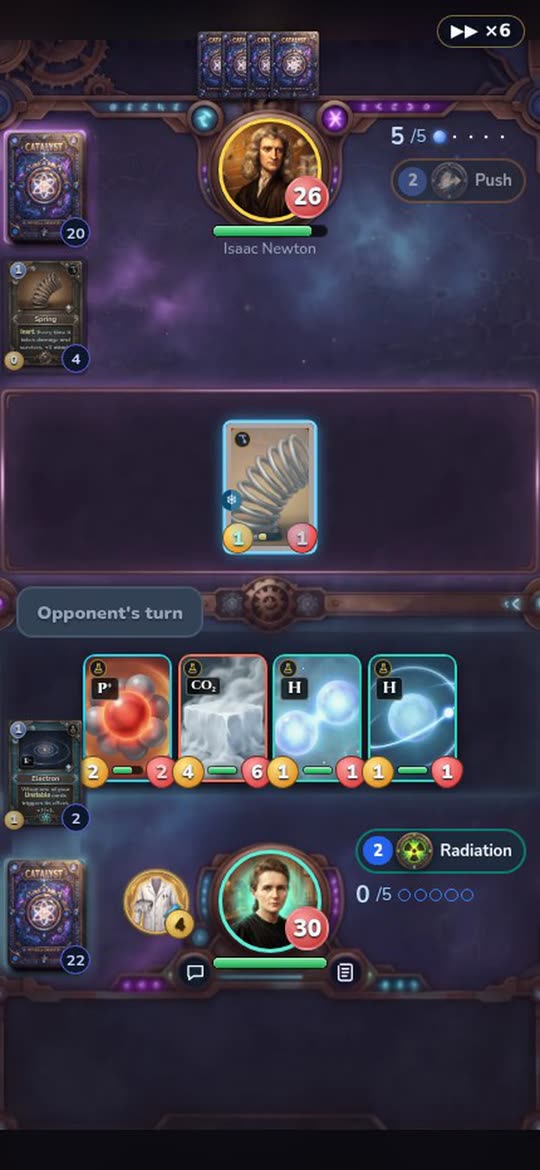
Catalyst is a collectible card-duel game for phone and computer. Each match pits two scientists against each other, both starting with 30 health: whoever brings the rival to zero wins.
What makes it special is what happens on the board. Atoms combine: two hydrogens and an oxygen form water, sodium and chlorine give table salt, carbon and oxygen give carbon monoxide. Experiments apply real laws, and lab instruments give you advantages that can break.
You don't need to know chemistry to play, but you will end up knowing more than you expected.
Video with English voice-over.
Twenty-seven reactions that form when you put elements together on the board, with chain reactions and a recipe book to discover them.
Creatures, experiments and instruments from physics and chemistry, in four rarities, with expansions that open as you level up.
Curie, Newton, Faraday, Hypatia, Meitner, Noether… each with a unique ability. The hero gives the ability; cards work for everyone.
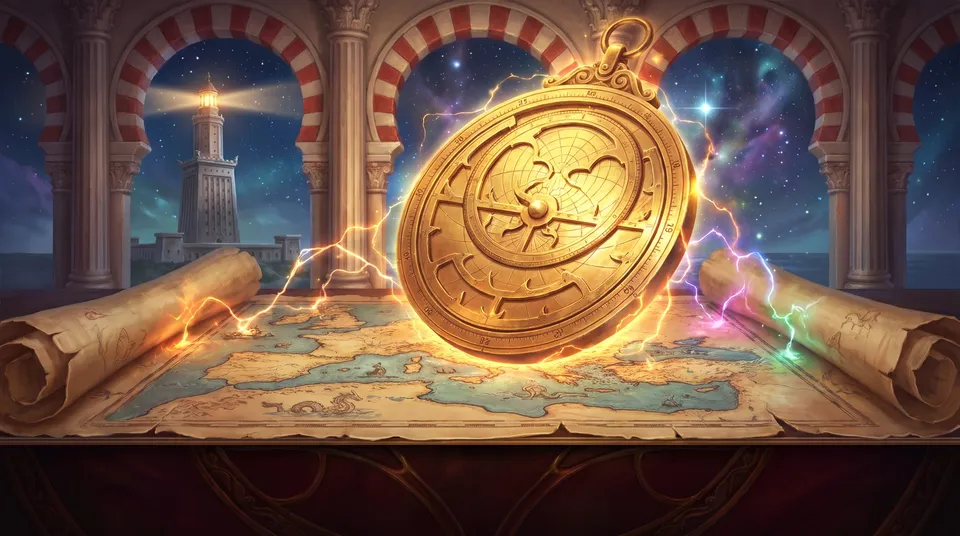
Travel from Alexandria to Córdoba and Toledo against rivals with their own deck and their own story. More eras are coming.
Duels against other people or lab robots, seasonal rankings, and private groups to play with your class or friends.
Every month brings a science anniversary with challenges, a reward path and a trophy cabinet.
Open packs, craft the cards you are missing with atoms and build decks. A well-built deck matters more than rare cards.
A measure calculated with simulations tells you how strong your deck is and which card is weak.
You start with two ready-made decks: “Radioactivity” with Marie Curie and “Forces” with Isaac Newton.
Play cards with the energy that grows each turn, attack with your creatures and form molecules.
Win packs, unlock scientists and expansions, and climb the league.
When two element cards meet on your side of the board, they react. A few examples:
Women and men from different eras and countries, with plenty of Spanish-language science.






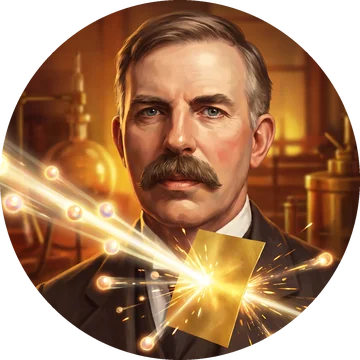




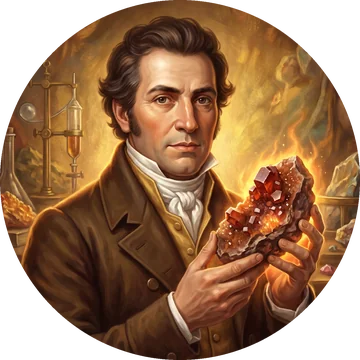
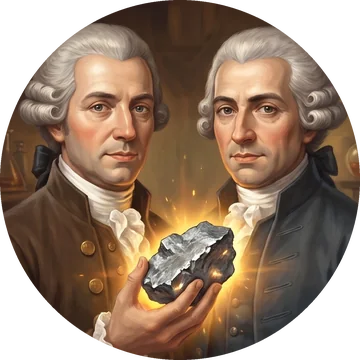
And four more scientists who unlock as you level up.
Antiquity and the Middle Ages
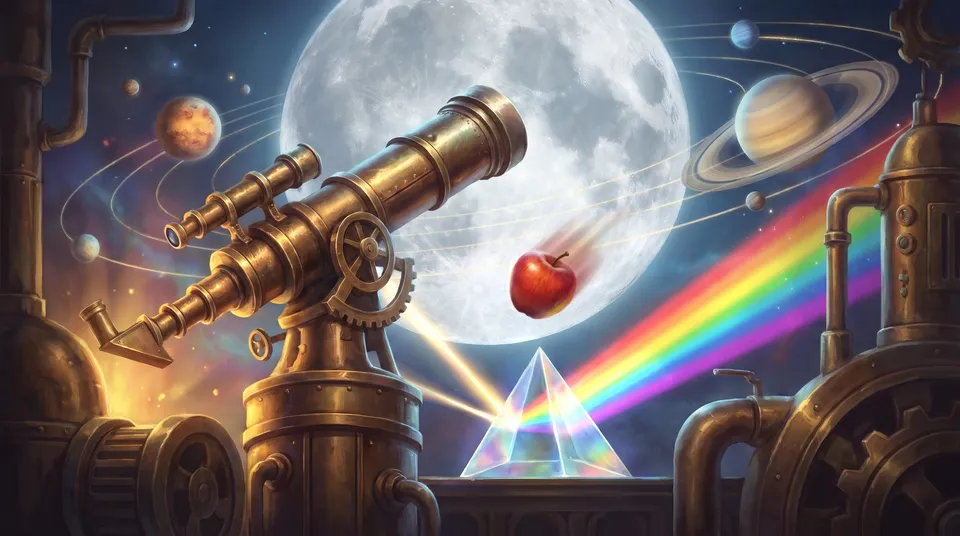
16th to 18th centuries
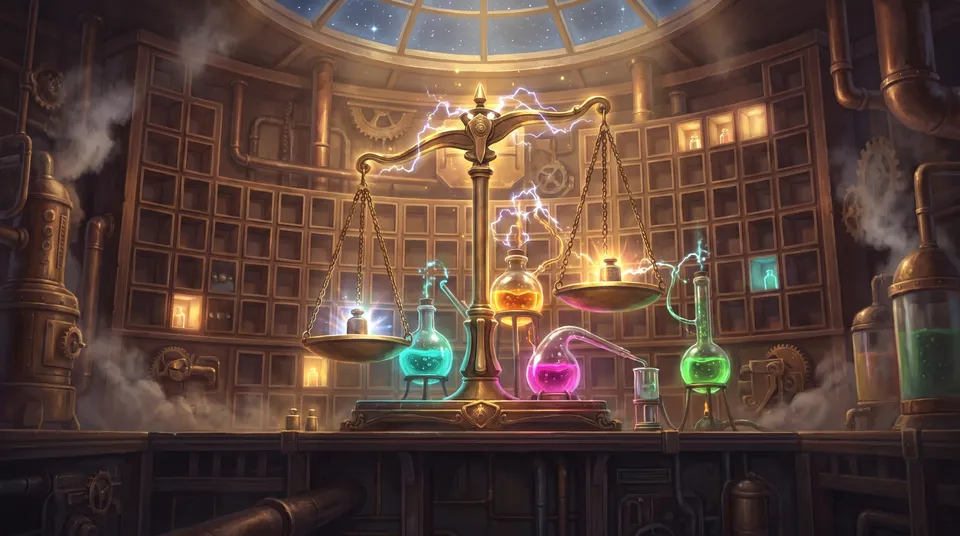
18th and 19th centuries
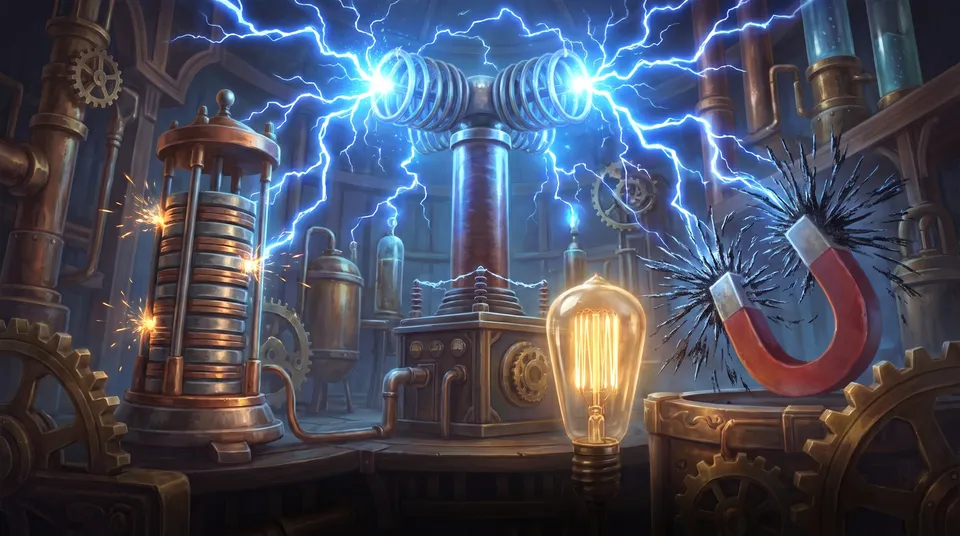
19th century
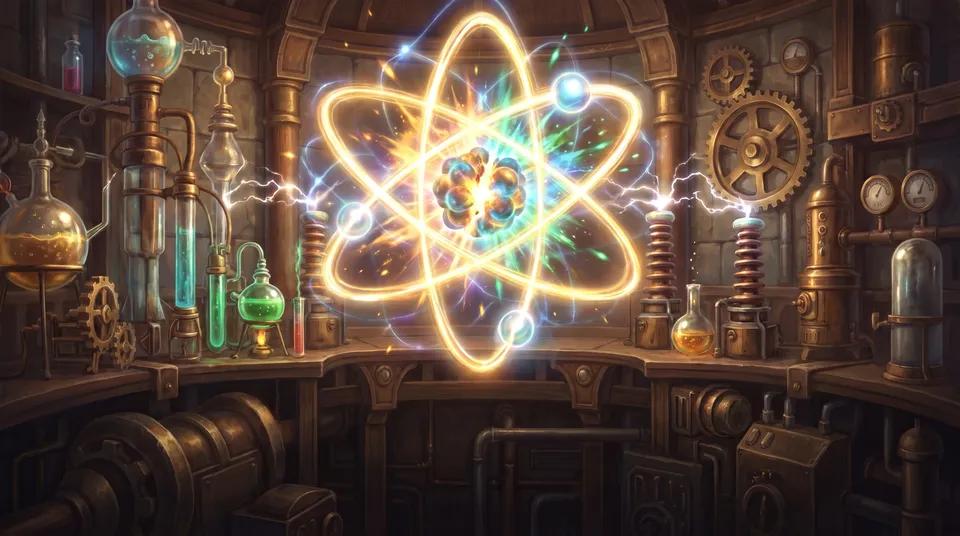
20th century

20th century to today
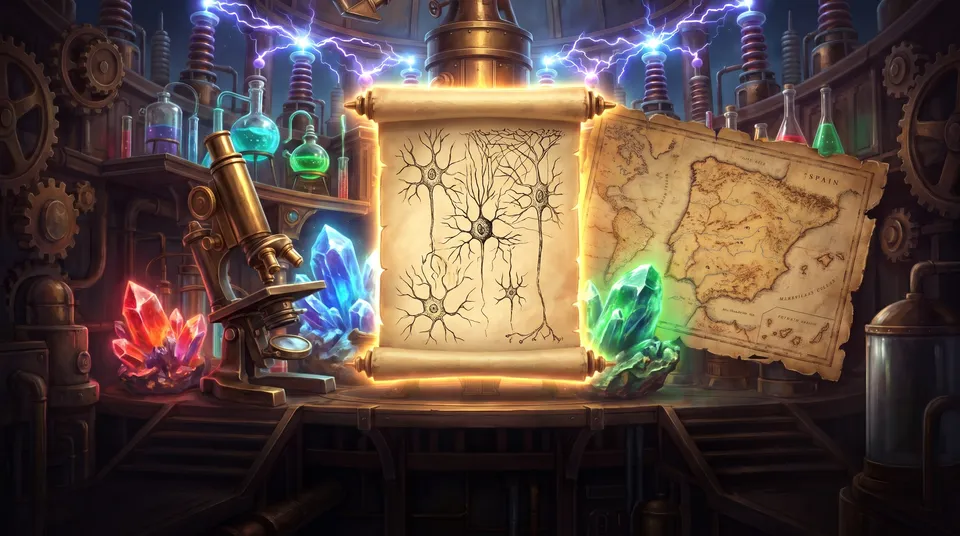
18th to 20th centuries
“The Origins” is playable now. The other adventures will arrive with upcoming updates.
Catalyst comes from the experience of teaching Physics and Chemistry. Every card carries a real fact and each adventure touches on topics studied in secondary school, but the game never interrupts a match with a quiz.
Private groups let a class play together with a code, without anyone giving personal data. If you would like to use it at your school, write to us and we will help.
You can play without signing up. Your progress is saved on your device and, if you want, in an anonymous account that asks for no name or email. No ads, no trackers and no cookies. Read our privacy policy.
Open the game in Safari, tap Share and choose “Add to Home Screen”.
Open the game in Chrome, tap the ⋮ menu and choose “Install app”.
It works in any modern browser; in Chrome and Edge it can also be installed.
Yes, you can play for free in your browser. App stores may come later; if anything changes, we will say so here.
No. You can play without signing up. An account is optional, anonymous, and lets you keep your progress on the server and move it to another device with a code.
It shares the love of duels and collecting, but the rules, cards and look are original: energy, chemical reactions and the laws of physics are what set it apart.
It is designed for secondary-school students and anyone who enjoys card games and science.
Matches against the computer work once the game has loaded. Cloud progress, leagues and online duels need a connection.
English and Spanish, with voices and video in both. The language is chosen from your browser and can be changed in Settings.
Write to us at the contact email. We read every message.